The Importance of Strong Branding in the Digital Era
In today’s digital-first world, a website is often the most important asset a business owns. It acts as a digital storefront, a marketing platform, and a communication hub all at once.
Consumers now rely heavily on the internet to research products and services before making purchasing decisions. If a business does not have a professional online presence, potential customers may question its credibility.
For companies aiming to grow in competitive markets such as the UK, USA, and Europe, a high-quality website is no longer optional—it is essential.
When someone visits your website, they form an opinion about your business within seconds.
A poorly designed website can create the impression that a business is outdated or unprofessional.
On the other hand, a clean and modern website builds trust and credibility.
Key elements that influence first impressions include:
A professional website communicates that a business is reliable and serious about its services.
Speed is one of the most important factors affecting website success.
Studies show that most users expect websites to load within two to three seconds. If a website takes longer than that, many visitors will leave before the page finishes loading.
Slow websites not only frustrate users but also negatively impact search engine rankings.
Google considers page speed when determining where websites appear in search results.
Businesses that invest in fast, optimized websites benefit from both improved user experience and better visibility in search engines.
More than half of internet traffic now comes from mobile devices.
If a website is not optimized for mobile users, it may appear difficult to navigate on smaller screens.
Responsive web design ensures that a website automatically adjusts to different screen sizes.
This improves usability for mobile users and ensures that visitors have a consistent experience regardless of the device they are using.
A website is not just a place where information is displayed. It is also a powerful marketing platform.
Businesses can use their websites to:
When combined with SEO strategies, a website can attract organic traffic from search engines and generate leads consistently.
This makes it one of the most cost-effective marketing tools available.
Trust plays a crucial role in customer decision-making.
A professional website can include elements that build credibility, such as:
These elements reassure visitors that the business has experience and satisfied customers.
The more trust a website builds, the more likely visitors are to become customers.
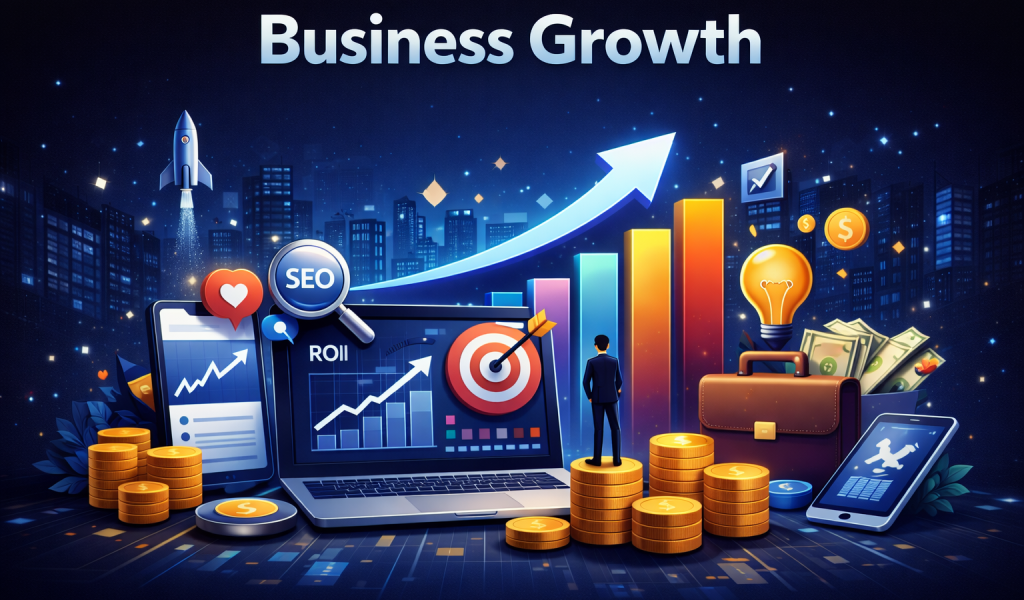
A professional website is one of the most important investments a business can make in the digital age.
It influences first impressions, supports marketing strategies, builds credibility, and generates leads. Companies that prioritize website quality will be better positioned to compete and grow in the modern digital marketplace.

Youngsteck.ai is an AI-powered digital solutions company helping businesses grow through smart technology and innovative strategies. We specialize in web development, digital marketing, SEO, SEM, SMM, and graphic design, combining human expertise with advanced AI tools to deliver faster, smarter, and more effective results.
+44 786 871 1165
support@youngsteck.ai
124 City Road, London, EC1V 2NX
© Copyright 2026 | Youngs Teck | All Rights Reserved.